
Last Friday, November 13, the FAA stopped flights across the entire country. The ground stop itself was lifted after about four and a half hours, but the ripple effects lasted for days. Cirium reported more than 18,000 U.S. flights canceled between Friday and Sunday.
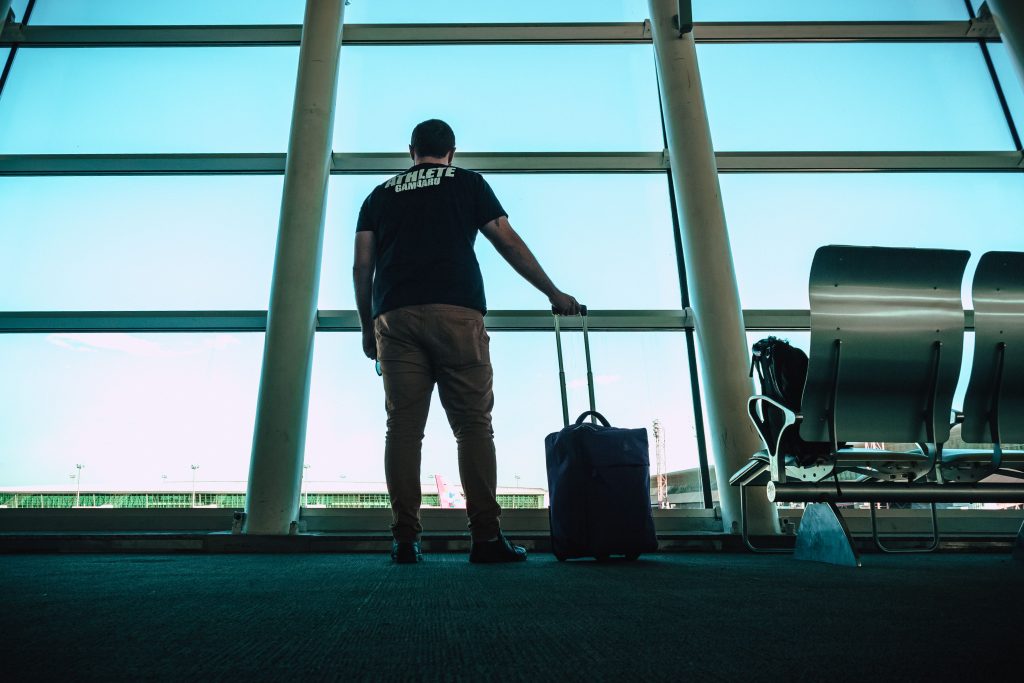
Since then, I’ve had several clients ask me some version of: “Would my travel insurance have covered that?” I get it! It’s a fair question, and the honest answer is… it depends.
Here’s what I mean:
- You’re stuck overnight and the airline says, “Sorry, this one is out of our hands.”
- You’re paying for a hotel room and airport meals you never planned on.
- You’re staring at a flight that’s gone, a cruise that’s sailing, and a bill that keeps growing.
None of that has to catch you off guard. Let’s dig in!
Tip #1: Know that “not the airline’s fault” changes the rules
When a delay is outside an airline’s control (weather, or an FAA ground stop), airlines generally aren’t required to pay for your hotel or meals. Most major airlines did issue travel waivers for the ground stop, which let travelers rebook without change fees. That helps with the new flight. It doesn’t always help with the bill for the night in between.
One more thing worth knowing: if your flight was canceled and you choose not to travel, federal rules say you’re owed a refund, no matter the reason.
Rebooking and refunds come from the airline. Everything else is where your own protection comes in.
Tip #2: Look for trip delay and missed connection coverage
This is the part of travel insurance that quietly saves the day. Many comprehensive policies include a travel delay benefit that reimburses reasonable costs like meals, lodging, and local transportation when a covered delay leaves you stranded. A missed connection benefit works in a similar way.
The key word is comprehensive. A medical-only policy is a different animal, and trip cancellation, trip interruption, and travel delay are three separate benefits. Make sure you know which ones you actually bought.
Not every policy is the same, and that’s OKAY. You just want to know before you need it.

Tip #3: Check the fine print on “covered reasons” and delay length
Here’s where it gets tricky. Coverage can depend on whether your provider counts the event as a delay of a common carrier, and on whether your delay meets the minimum number of hours in your policy. Some providers treated the FAA outage like other covered delays. Others may read it differently.
So don’t assume. Read the benefit, look for the minimum delay requirement, and ask questions if the wording is fuzzy. (This is exactly the kind of thing I’m happy to walk through with you!)
Tip #4: Don’t count on your credit card alone
Some premium travel credit cards include trip delay coverage, and that’s a lovely bonus. But card coverage often lists specific covered causes, such as bad weather or a carrier’s equipment failure. If air traffic control isn’t named, you may be in a gray area.
A credit card benefit is a nice backup. It’s not always a plan.
Tip #5: Keep your paper trail
If you ever need to file a claim, documentation is everything. Hang on to:
- The airline’s delay or cancellation notice showing the reason and the times (this is the most important one)
- Receipts for hotels, meals, and transportation
- Your new boarding passes and rebooking details
Take photos or screenshots as you go. Future you will be SO glad you did.
Who may help when flights go sideways
Here’s a quick side-by-side so you can see how the pieces fit together:
| Who | What they may help with | What to watch for |
|---|---|---|
| The airline | Rebooking, waivers, and a refund if you choose not to travel | May not pay for hotels or meals when the delay is outside their control |
| Your credit card | Trip delay reimbursement on some premium cards | Covered causes may not include air traffic control |
| Travel insurance | Reimbursement for delay and missed connection costs like meals and lodging | Depends on your policy, the covered reasons, and the minimum delay length |
Tip #6: Set it up before you need it
This is the big one. Travel insurance works best when it’s in place before something goes wrong, not after. The ground stop surprised everyone, which is exactly the point. Nobody gets a warning. If you have a trip coming up, especially a big one like a cruise, an international getaway, or a family trip with lots of moving parts, now is a great time to look at your options.
The takeaway
I can’t promise you’ll never see a travel hiccup. Nobody can! What I can promise is that you don’t have to figure it out alone. When you work with me, we talk through what’s at stake on your trip and what kind of protection makes sense, so you can relax and enjoy the fun part.

If you have a trip you’re planning and want to talk through your options, I’d love to help you!
Ready to plan your next vacation or getaway? If so, Easy Breezy Journeys is here to make it easy for you!
Just click HERE to get started!
Frequently Asked Questions
Do airlines have to pay for my hotel after an FAA ground stop? Generally, no. When a delay is outside the airline’s control, airlines usually aren’t required to cover hotels or meals. Many airlines did offer waivers to rebook without change fees.
Am I owed a refund if my flight was canceled? Yes, if you choose not to travel after a cancellation, federal rules say you’re owed a refund regardless of the reason.
Can travel insurance cover meals and hotels during a delay? Some comprehensive policies include travel delay and missed connection benefits that reimburse reasonable expenses like meals, lodging, and local transportation. Coverage depends on your policy.
Is my credit card enough protection? It might help, but card coverage often lists specific covered causes, and air traffic control may not be named. It’s best to treat it as a backup, not your whole plan.
What should I keep if I need to file a claim? Keep the airline’s delay or cancellation notice showing the reason and times, plus your receipts and rebooking details.
When should I look into travel insurance? Before your trip. Protection works best when it’s in place before something goes wrong.