
Multigenerational travel is one of the fastest-growing trip types I plan, and it’s also one of the trickiest to get right. You’re not just booking a vacation. You’re trying to satisfy a four-year-old’s attention span, a teenager’s need for independence, a parent’s exhaustion, and a grandparent’s mobility and pace, all inside the same itinerary. Pull it off, though, and it’s some of the most meaningful travel a family will ever do together.
Here’s how to actually make it work.
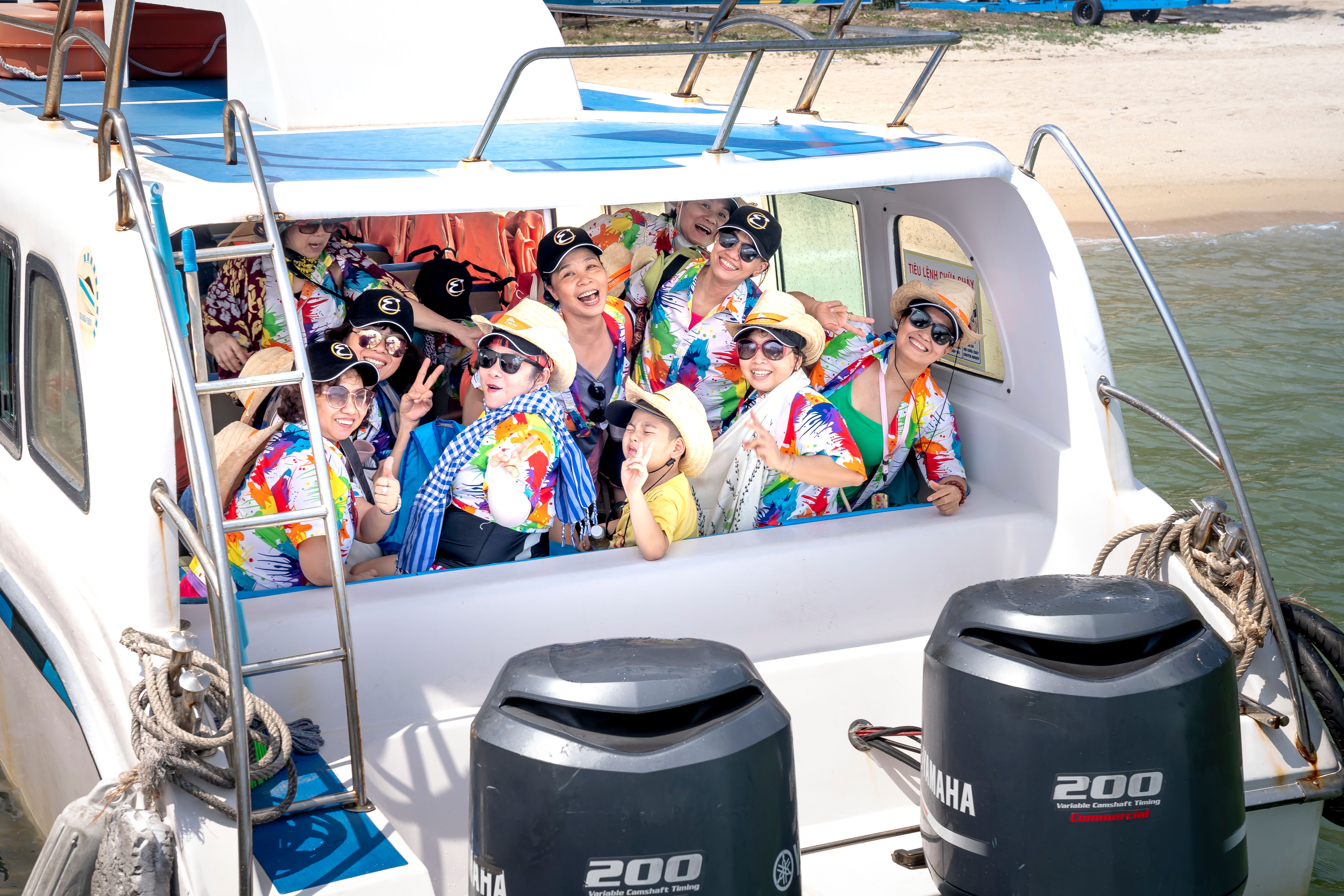
Start With What Each Generation Needs, Not What They “Should” Want
The instinct is to plan one itinerary everyone follows together, start to finish. That’s usually the mistake. Instead, get specific about what each age group actually needs to have a good time:
Grandparents often need a slower pace, more rest breaks, and accommodations with real accessibility: elevators, minimal stairs, walkable but not sprawling layouts. They may also have the most flexible schedule and the deepest interest in slow, immersive experiences like a leisurely dinner or a guided history tour.
Parents are frequently the logistics hub and the most stretched thin, juggling everyone else’s needs while trying to actually experience the trip themselves. Build in moments that are specifically for them, not just moments they’re managing.

Teens want autonomy. A rigid group itinerary from 8 a.m. to 9 p.m. is the fastest way to get an eye-roll and a bad attitude. They generally do best with some unstructured time, a say in at least one activity, and ideally some independence, even something as small as being allowed to explore a resort or a town square without an adult hovering.
Younger kids need shorter activity blocks, predictable meal and nap timing, and built-in downtime. A packed day that looks great on paper often falls apart around 3 p.m. once a six-year-old hits a wall.
Choose a Destination That Naturally Offers Variety
The best multigenerational destinations aren’t the ones with the single best attraction. They’re the ones with enough different kinds of things to do that everyone can peel off and do their own thing some of the time. A large resort with a spa, a kids’ club, a golf course, and a beach does more work here than a single-focus destination where everyone is locked into the same experience all day.
Cruises are a particularly strong fit for this reason. Everyone sleeps under one roof, but a ship gives grandparents a quiet lounge, parents a specialty dinner, teens a nightclub or sports deck, and kids a supervised youth program, all happening simultaneously without anyone having to coordinate a group activity every hour.
Build “Together Time” and “Apart Time” On Purpose

The families who report the best trips aren’t the ones who did everything as one unit. They’re the ones who deliberately planned a mix: a few anchor activities everyone does together (a group dinner, a shared excursion, an arrival-night welcome dinner), and generous blocks where subgroups split off to do what actually interests them.
I usually recommend planning no more than one or two “everyone together” activities per day. Everything else can flex.
Talk About Budget and Rooming Early, Not at Booking Time
This is the part families skip, and it’s the part that causes the most friction later. Who’s paying for what? Is grandma covering the grandkids’ activities, or is everyone splitting evenly? Are you booking connecting rooms, separate suites, or one big villa? These conversations feel awkward to have in July for a trip that’s months away, but they’re far less awkward than having them mid-trip when someone feels blindsided by a bill.
Build in Slack
Multigenerational trips go sideways fastest when the schedule has zero room for error. Someone gets sick, someone’s tired, someone wants to linger an extra hour at breakfast. A trip with breathing room absorbs that. A trip booked minute-to-minute does not.
The Bottom Line

A multigenerational trip that actually works isn’t the one with the most activities packed in. It’s the one built around the honest reality that a teenager, a toddler, and a grandparent don’t want the same day. Plan for that difference instead of fighting it, and you end up with a trip that feels less like a compromise and more like something everyone genuinely wanted to be part of.
Planning a trip that spans generations? Let’s talk through who’s coming, what everyone actually wants out of it, and how to build an itinerary that gives each generation their moment. Reach out, and we’ll map it out together.