
If you’ve ever priced out a trip in July only to feel your stomach drop, I have good news: the calendar has a quiet, underrated middle ground, and it’s called shoulder season.
Shoulder season is the stretch between peak and off-peak travel. It’s not the dead of winter when half the attractions are closed, and it’s not the crush of summer when every line is an hour long. It’s the sweet spot. And honestly, it’s where I steer a lot of my clients once they understand what they’re trading and what they’re gaining.
Here’s the catch: shoulder season isn’t one universal calendar window. It shifts by destination, driven by local weather patterns, school calendars, and even river flood cycles. Knowing when shoulder season falls for the specific trip you’re dreaming about is half the strategy.
The Case for Traveling in the “In-Between”
Prices drop — sometimes dramatically. Airfare, hotels, and cruise cabins are priced on demand, and demand cools significantly outside peak months. It’s not unusual to see the same itinerary run 20-30% cheaper just a few weeks outside the rush.
Crowds thin out. This is the one people underestimate until they experience it. Walking through a European plaza or an ancient temple without shuffling behind a tour group of fifty changes the entire feel of a trip.
The weather is often better, not worse. Peak season exists partly because of school schedules, not because the weather is objectively best. You’re not always sacrificing comfort… sometimes you’re improving it.
Local life comes back into view. Restaurants aren’t fully booked out by tour groups, and locals have more bandwidth to actually talk to you.
Shoulder Season, Destination by Destination
Below, I’ve highlighted some of the more popular destinations, but if you have something else in mind, let me know and I can outline that for you.
Caribbean cruises: Generally January through Spring Break, then until late May, and again from early September through early to mid-December, excluding major holidays. September and October offer the deepest deals, though that overlaps with hurricane season, so flexibility and, most importantly, travel insurance matter here.
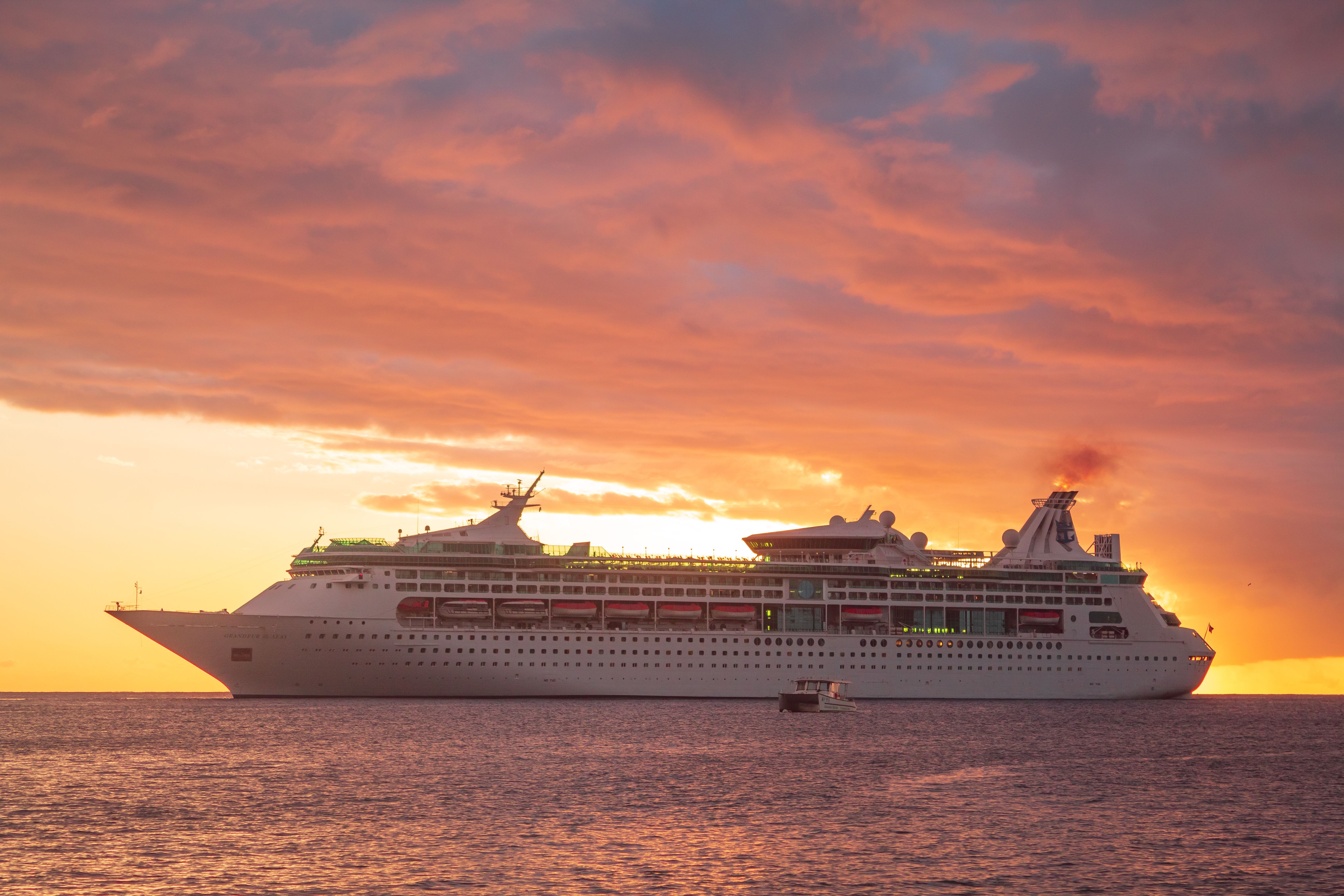
Caribbean all-inclusive resorts: The pattern mirrors cruising: late April and early May mark the transition from high season to off-peak, often bringing real savings before the summer crowds arrive. Fall (September–October) is even cheaper, with the same hurricane-season trade-off to weigh.
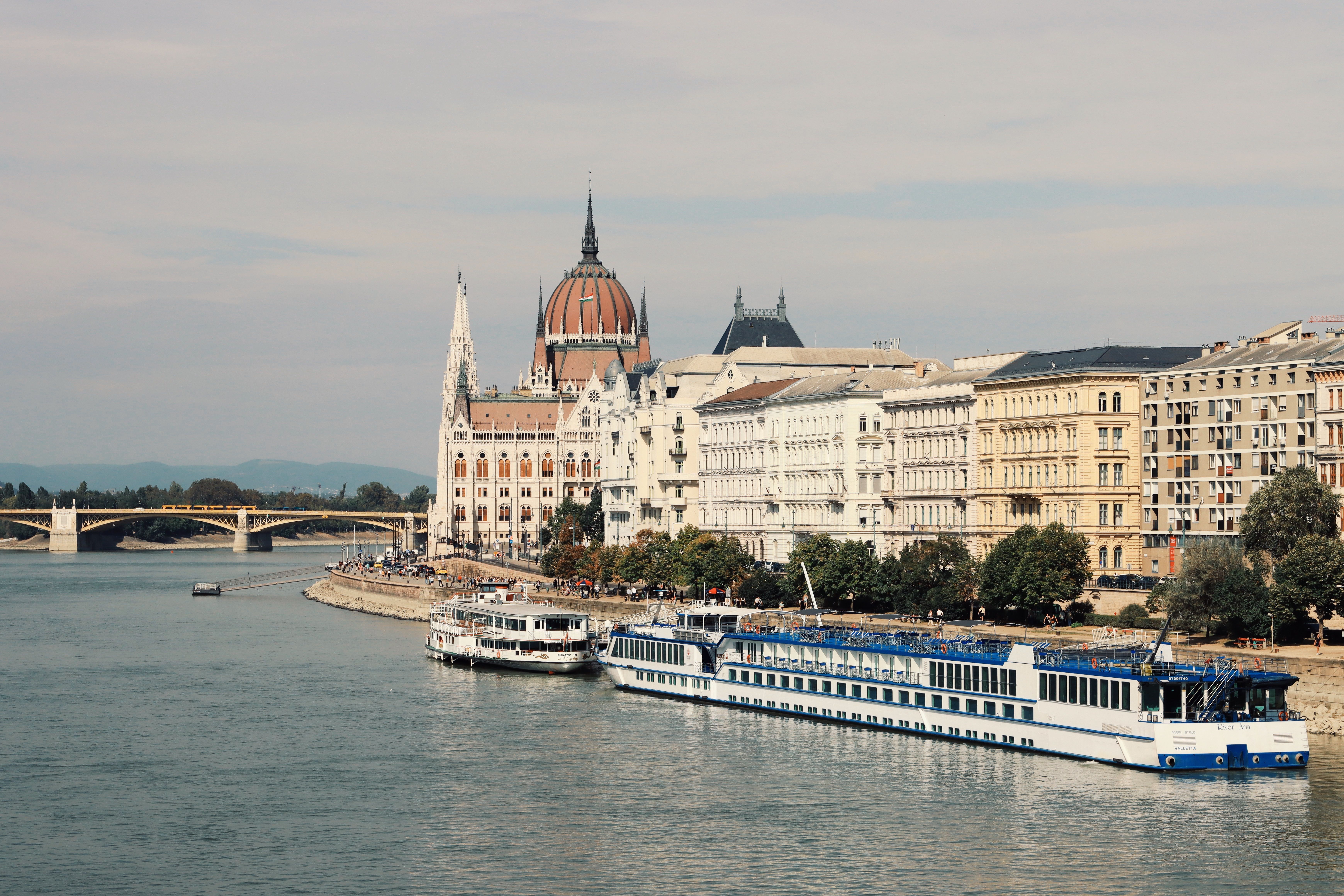
European river cruises (Rhine, Danube, Douro, Seine): April, May, and early October tend to be the sweet spot. Spring brings mild weather, quieter attractions, and blossoms, especially in the Wachau Valley and the Netherlands’ tulip season, while fall brings grape harvests and colorful forests along the Douro. Interestingly, June draws large crowds and September is often the most expensive month of the year for river cruising, so the “shoulder” here skews earlier in spring or later into October.
Nile River cruises: This one runs opposite the others: the shoulder season is March to April and September, with daytime temperatures between 82-95°F, offering fewer crowds, beautiful light, and slightly lower prices than the peak winter months. October and April also bring the steady northerly winds needed for the smaller sailboats, the dahabiyas, to actually sail rather than rely on a tugboat.
Hawaii: Two shoulder windows: mid-April through early June, and September through mid-December. These months deliver drier weather than winter, far fewer crowds than summer, and accommodation rates running 20-40% below peak. September is often cited as the single best-value month of the year.

Ireland: Mid-April through May, plus late September through October: fewer crowds and less competition, at the cost of slightly higher odds of unpredictable weather. Shoulder-season pricing runs roughly 20-30% below peak summer rates.
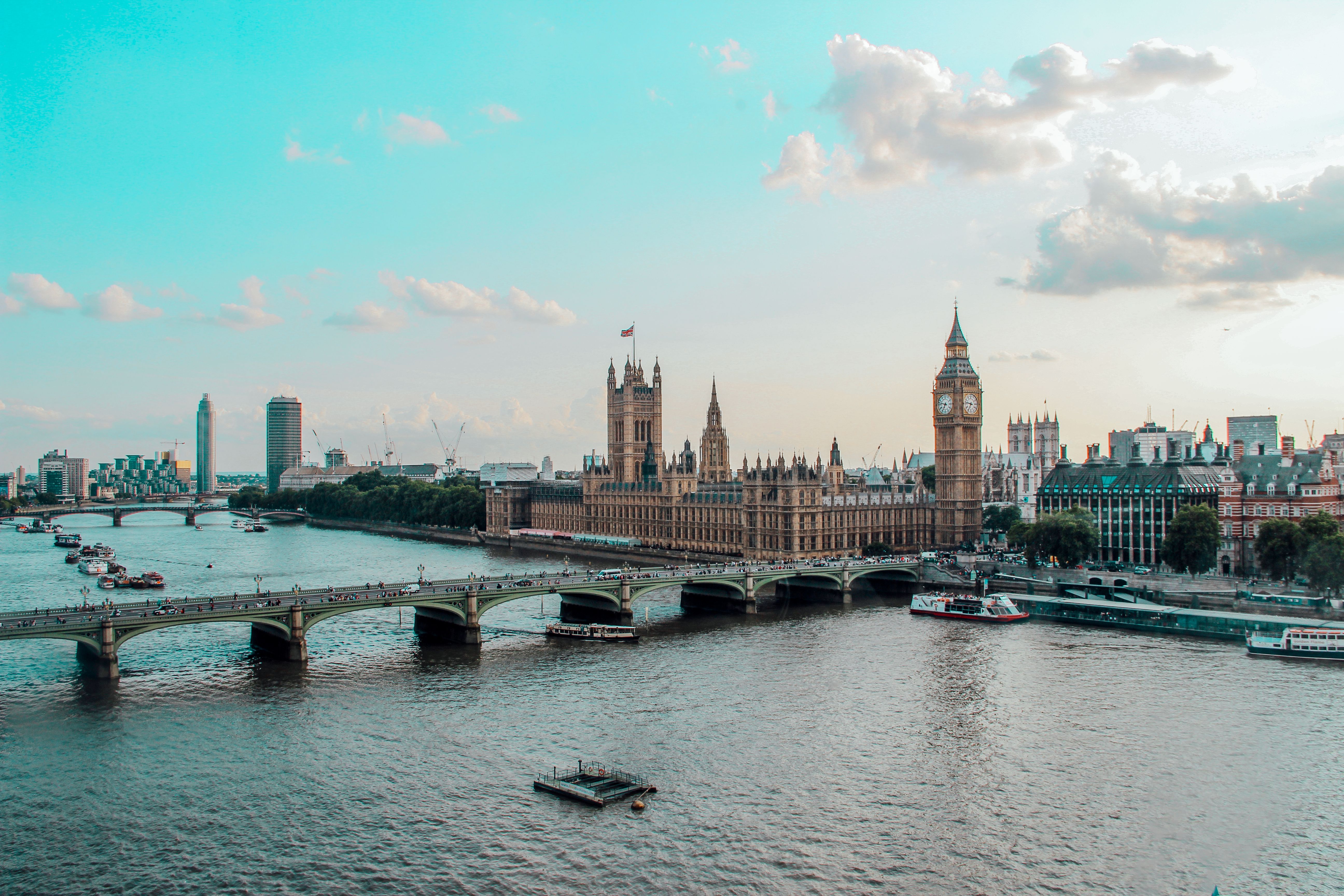
The UK: Follows a very similar rhythm to Ireland: May and September are the standout months, sitting just outside the summer school-holiday crush with milder crowds and better availability at popular sights.
What You’re Trading Off
I always tell clients this isn’t a free lunch.
Some things close or scale back. Beach clubs, seasonal ferries, and certain excursions may run reduced schedules outside peak months. If there’s one specific activity you’re building the whole trip around, we check its calendar first.
Weather is less predictable, not necessarily worse. It’s a wider range of outcomes — not a worse average.
Group trips need more flexibility. Coordinating a group around shoulder-season dates sometimes means working around a few members’ schedules more carefully, since it’s outside the “everyone’s naturally free” summer window.
Who Shoulder Season Is Perfect For
- Couples who want a honeymoon or anniversary trip that feels intimate rather than crowded
- Groups who are flexible on exact dates and want to stretch their travel budget further
- Anyone who’s been burned by peak-season crowds before
- Empty nesters and retirees with flexible schedules who don’t need to travel around a school calendar

The Bottom Line
Shoulder season isn’t a compromise… it’s a strategy, and it looks different for every destination. A river cruise’s shoulder season is a Nile cruise’s peak season, and Hawaii’s shoulder months bear no relation to Ireland’s. The trick is knowing the specific window for your destination, and that’s exactly the kind of planning I love digging into with clients.
Thinking about a shoulder-season trip? Let’s talk about which destinations and dates would give you the best of both worlds, reach out – and we’ll map it out together.